2026-10-15 ·
Winter Rain Preparedness For Granada Hills Homes
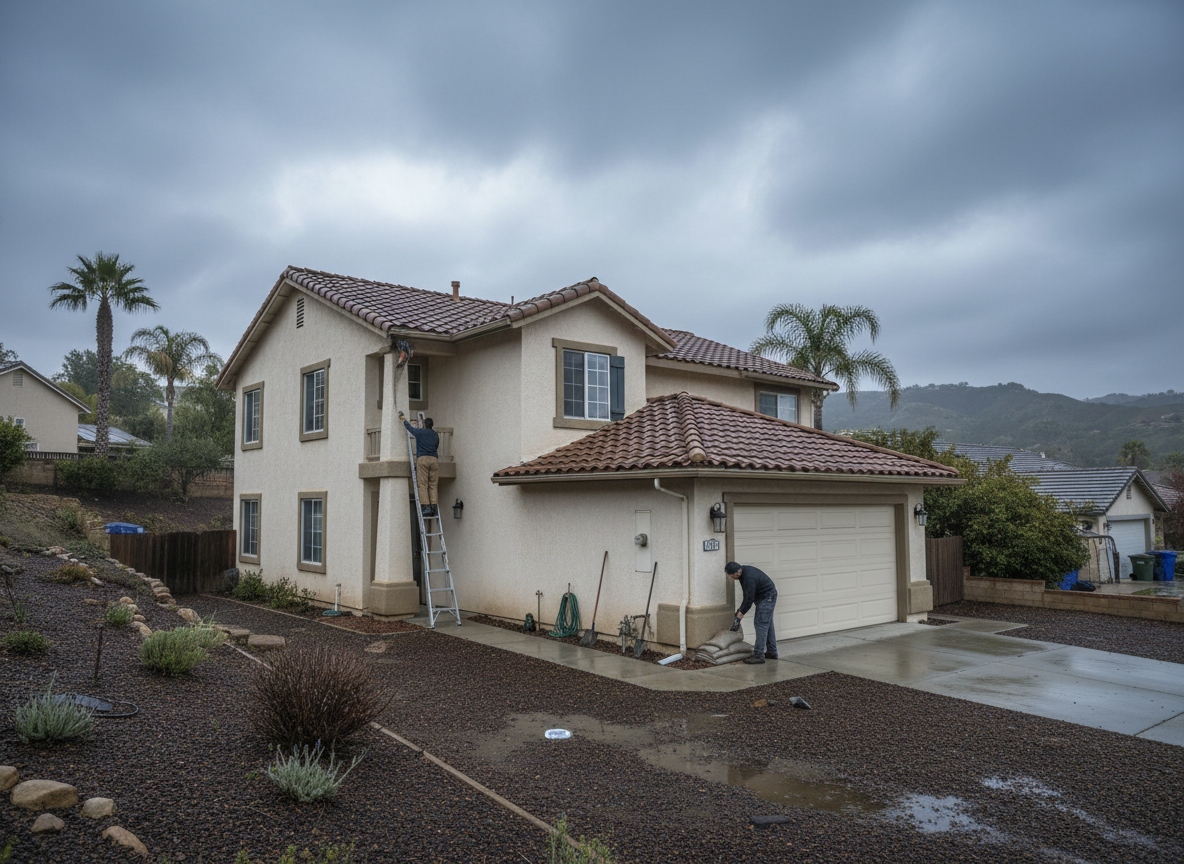
Granada Hills homes benefit most from winter rain preparedness that starts with inspecting roofs, gutters, and grading before the first storms arrive, since the area's warm Mediterranean climate brings concentrated rainfall between November and March that can overwhelm properties built decades ago.
Inspecting Roofs and Gutters Before Storms
Granada Hills housing stock from the 1950s through 1970s often features composition shingles that reach the end of reliable service after 15–20 years. Walk the perimeter and look for missing granules, lifted edges, or sagging sections near valleys. Clear debris from gutters and downspouts so water flows freely into street drains rather than backing up against fascia boards. Properties near O'Melveny Park and the Granada Hills Recreation Center sit on slopes where even small blockages send water under eaves. Schedule this check in October when daytime temperatures remain mild enough for safe ladder work. Homeowners in Knollwood report fewer attic leaks after replacing 40-foot sections of 5-inch K-style gutters with larger 6-inch profiles that handle the heavier flows common during El Niño winters.
Evaluating Foundation Drainage and Grading
Many Granada Hills lots slope toward the street yet still trap water against stucco foundations because original grading has settled over time. Check that soil sits 6–8 inches below the stucco weep screed and that swales direct flow away from the house. Hillside properties referenced in Drainage Challenges On Granada Hills Hillside Lots frequently develop hairline cracks where water pools against the footing during 1–2 inch hourly rain events. Re-grade low spots with compacted soil and 4-inch perforated pipe wrapped in filter fabric to carry water to the curb. Northridge and Porter Ranch neighbors share similar soil conditions; correcting grade before rains arrive prevents the saturation that leads to interior moisture issues later.
Protecting Windows, Doors, and Attics
Single-pane aluminum windows common in Granada Hills tract homes allow wind-driven rain to enter around aged caulk lines. Apply fresh exterior-grade caulk and replace cracked glazing where needed. Install door sweeps on garage man-doors and check that thresholds slope outward. Attic ventilation must remain unobstructed so moisture from roof leaks can escape rather than condense on insulation. After heavy rain, inspect for dark spots on ceiling drywall near recessed lights, a frequent entry point in Mission Hills and Porter Ranch homes of similar vintage.
Monitoring for Early Mold Signs
Even brief winter storms can create hidden moisture behind baseboards and in crawl spaces. Watch for musty odors after the rain stops and check under sinks and behind refrigerators weekly. Mold Risks After Storms In Granada Hills outlines how cellulose insulation in walls holds water for weeks, supporting growth once temperatures rise again. Prompt drying within 48 hours limits spore spread and keeps repairs limited to affected materials rather than whole-room remediation.
Knowing When Professional Help Is Required
If water enters living spaces or saturates carpet padding, contact a local team for water damage mitigation before secondary damage occurs. Emergency water removal crews operating from 11118 Balboa Blvd respond 24/7 and use moisture meters to locate hidden saturation in Granada Hills and adjacent Knollwood streets. Early extraction prevents the need for larger water damage restoration near me projects that arise when homeowners delay action through multiple storm cycles.